
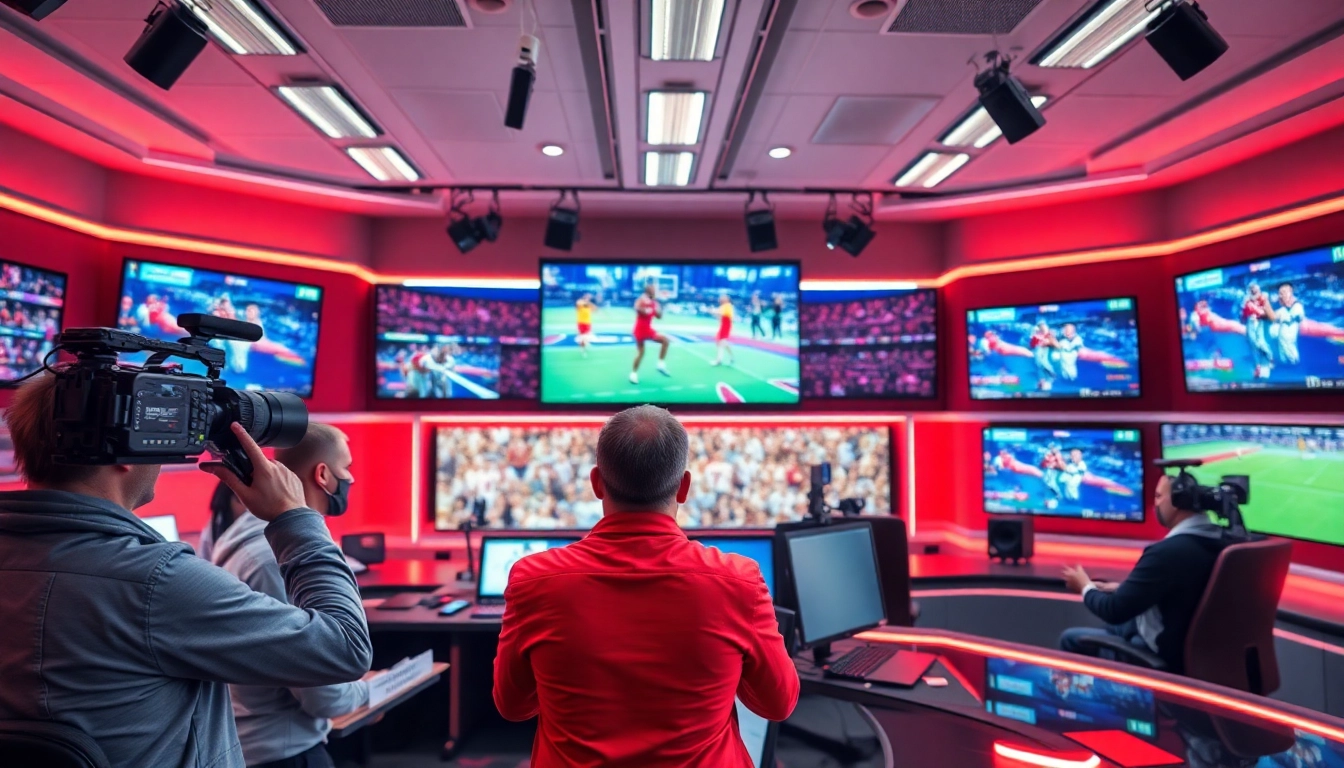
Understanding Sports Broadcasting Fundamentals
Defining Sports Broadcasting and Its Importance
Sports broadcasting is the transmission of sports events via various mediums including television and the internet. Its importance cannot be overstated; it serves as the primary channel for fans to engage with their favorite teams and athletes. In addition to providing entertainment, it plays a pivotal role in shaping sports culture, influencing fan loyalty, and generating revenue across sectors. By disseminating live events, highlights, and analysis, Sports Broadcasting fosters community and excitement among enthusiasts.
Types of Sports Broadcasting: A Broad Overview
Sports broadcasting can be divided into several types. The primary forms include:
- Live Broadcasting: This format allows viewers to watch events in real-time, enhancing the excitement of the experience.
- Recorded Highlights: These are short segments summarizing key moments from live events, ideal for viewers who miss the live action.
- Commentary Shows: Analysts provide insights, reviews, and discussions about ongoing events, enriching viewer experience.
- Online Streaming: Platforms cater to on-demand consumption, allowing fans to access content whenever they wish.
- Podcasts: Audio formats that discuss sports events, interviews, and analyses can deliver information in a portable format.
Understanding these types allows broadcasters to tailor their strategies to engage different audience segments effectively.
Key Technologies in Sports Broadcasting
Modern sports broadcasting employs various technologies to enhance the viewer's experience:
- High-Definition Cameras: Provide detailed visuals that enhance the viewing experience.
- Drone Technology: Offers unique aerial views of the sporting events, adding depth to the coverage.
- Augmented Reality (AR) and Virtual Reality (VR): Create immersive experiences that bring fans closer to the action.
- Data Analytics: Used to generate real-time statistics, which are crucial for in-depth analysis during broadcasts.
- Streaming Platforms: Allow immediate access to content via digital channels, accommodating the shift towards online consumption.
These technologies not only enhance content delivery but also foster viewer engagement, setting the stage for future advancements in the industry.
Getting Started with Sports Broadcasting
Essential Equipment for Effective Sports Broadcasting
Successful sports broadcasting starts with the right equipment. Essential tools include:
- Cameras: Choose high-quality cameras that can capture fast-moving subjects with clarity.
- Microphones: Invest in lavalier and shotgun microphones to ensure clear audio capture in noisy environments.
- Switchers: These allow broadcasting teams to switch between multiple camera angles seamlessly.
- Graphics and Streaming Software: Enables integration of stats, highlights, and branding into live broadcasts.
- Editing Tools: Necessary for producing post-event highlights and analysis content.
Having the right equipment not only enables high-quality broadcasts but also enhances viewer satisfaction, encouraging further engagement.
Preparing for Your First Broadcast
Preparation is vital for a successful sports broadcast. Key steps include:
- Research the Event: Understand the teams, players, and storylines to provide insights during the broadcast.
- Rehearse Your Script: Familiarize yourself with your commentary and coverage plan to boost confidence.
- Test Equipment: Conduct thorough tests of all equipment to prevent tech failures during the live broadcast.
- Coordinate with Your Team: Ensure that all team members know their roles and responsibilities before going live.
- Establish Contingency Plans: Prepare for potential technical difficulties or unforeseen changes in the event schedule.
By methodically preparing, broadcasters can handle challenges with poise and deliver an exceptional viewer experience.
Creating a Broadcasting Schedule
Creating an effective broadcasting schedule is crucial for both your team and the audience. Key elements to consider include:
- Event Timings: Ensure all broadcast times align with actual event schedules, considering time zone differences.
- Content Types: Diversify your schedule with live coverage, highlights, interviews, and commentary segments.
- Collaboration: Communicate with all team members to synchronize online and offline broadcasting efforts.
- Promotional Activities: Incorporate time for promotional activities, including pre-event teasers and post-event analysis.
- Feedback Integration: Use viewer feedback to adjust future scheduling for maximum engagement.
A well-structured schedule not only keeps the team organized but also helps in maintaining audience anticipation and interest.
Best Practices in Sports Broadcasting
Engagement Techniques for Broadcasters
To retain viewer interest, broadcasters should implement various engagement techniques, such as:
- Interactive Poles: Encouraging viewers to participate in discussions through polls can drive engagement.
- Behind-the-Scenes Content: Showcase exclusive footage and insights to connect with the audience on a personal level.
- Social Media Interaction: Engage with fans on social platforms to foster community and stimulate discussions during live broadcasts.
- Expert Guests: Inviting analysts or former athletes can provide additional insights and enhance the quality of commentary.
- Community Events: Organizing events can raise brand awareness while connecting effectively with local fans.
By employing these strategies, broadcasters can create a more immersive viewer experience, keeping audiences hooked throughout events.
Maintaining Audience Interest During Broadcasts
To keep viewers engaged during broadcasts, consider these best practices:
- Dynamic Commentary: Use engaging language and storytelling techniques to narrate the event’s progress.
- Visual Features: Incorporate replays, statistics, and graphics in real-time to enrich the broadcast experience.
- Inclusive Language: Use language that resonates with diverse audiences to foster a sense of belonging.
- Regular Updates: Provide updates on scores, player performance, and insights throughout the event.
- Engaging Background Music: Use background music/music beds to enhance emotional moments without overwhelming commentary.
Implementing these strategies allows broadcasters to create a captivating atmosphere that keeps fans glued to their screens.
Coverage and Commentary Best Practices
High-quality coverage and commentary can significantly influence viewer satisfaction. Best practices include:
- Preparation: Research the teams and players to offer informed, insightful commentary that goes beyond surface-level analysis.
- Balanced Perspectives: Provide fair commentary that reflects both sides of a competition, supporting fair play.
- Adapting to Audience: Pay attention to viewer feedback and adjust commentary style to match audience preferences.
- Timeliness: Ensure that commentary closely aligns with the events on-screen, enhancing relevance and immediacy.
- Continuous Learning: Stay updated on industry trends and innovations to evolve with the broadcasting landscape.
By adhering to these best practices, broadcasters can ensure that the quality of their coverage enhances the viewer experience.
Challenges in Sports Broadcasting
Common Technical Issues and Solutions
Technical problems can disrupt live broadcasting. Some common issues include:
- Connectivity Problems: Ensure backup internet connections and have failover plans in case of disruptions.
- Equipment Malfunction: Regularly test equipment and have spare gear on-hand to address any unexpected failures.
- Software Glitches: Keep all software updated and regularly trained staff to handle basic troubleshooting.
- Audio Issues: Monitor audio levels in real-time and use headphones for immediate feedback during broadcasts.
- Streaming Latency: Optimize streaming settings and test various platforms to reduce delays.
By being prepared for these common challenges, teams can minimize disruptions and maintain a high-quality viewing experience.
Navigating Compliance and Regulations
Sports broadcasting is subject to various regulations that must be navigated carefully:
- Licensing Agreements: Ensure that all broadcast content is licensed correctly to avoid legal repercussions.
- Advertising Guidelines: Follow regulations surrounding sponsorships and viewer disclosures to maintain transparency.
- Broadcasting Rights: Understand and respect broadcasting rights to avoid conflicts with other networks or platforms.
- Privacy Laws: Adhere to privacy laws concerning the inclusion of participants or spectators in broadcasts.
- FCC Regulations: Stay abreast of FCC guidelines to ensure compliance with broadcasting standards.
Maintaining compliance is crucial for avoiding legal issues that can arise from oversight during broadcasts.
Handling Unforeseen Event Changes
Sports events can often evolve unexpectedly. Key strategies for broadcasters include:
- Stay Informed: Maintain open communication with event organizers for updates regarding changes in scheduling or format.
- Flexibility: Prepare to be flexible with your broadcasting plan, allowing for real-time adjustments.
- Engage Your Audience: Keep your audience informed about changes in programming through social media and direct communication.
- Backup Content: Have additional content prepared in advance to fill gaps as required by last-minute changes.
- Feedback Loops: Solicit viewer feedback to adjust formats or content in response to sudden changes for better alignment with audience expectations.
Having a strategic approach to managing unforeseen events can ensure broadcasts remain seamless and professional.
Measuring Success in Sports Broadcasting
Key Metrics to Evaluate Broadcast Performance
To understand the effectiveness of your broadcasts, measure key performance metrics, including:
- Viewership Numbers: Track how many people tuned in for live broadcasts and on-demand content.
- Viewer Retention Rates: Measure how long viewers stay engaged during different segments of the broadcast.
- Social Media Engagement: Analyze likes, comments, shares, and other interactions on social platforms relating to your broadcasts.
- Ad Revenue: Monitor income generated from advertising to assess financial success and strategy effectiveness.
- Feedback Scores: Incorporate surveys and feedback forms post-broadcast to gather direct viewer insights for improvement.
These metrics provide actionable insights into how well your broadcasts resonate with the audience and where adjustments may be needed.
Gathering and Analyzing Viewer Feedback
Feedback is invaluable in understanding audience preferences and enhancing broadcasts. Consider these strategies:
- Post-Broadcast Surveys: Distribute surveys to analyze viewer satisfaction and collect improvement suggestions.
- Engagement Analytics: Use analytics tools to assess audience engagement and drop-off points during broadcasts.
- Social Media Monitoring: Pay attention to social interactions for real-time audience reactions to the broadcast.
- Focus Groups: Organize focus groups with segmented audiences to gather qualitative feedback.
- Continuous Follow-Up: Regularly re-engage audiences with additional questions based on previous feedback for ongoing improvement.
Utilizing comprehensive feedback strategies helps refine offerings and enhances viewer satisfaction over time.
Strategies for Continuous Improvement
Continuous improvement is vital for staying competitive in sports broadcasting. Strategies include:
- Audience Analysis: Regularly analyze audience demographics to tailor content and broadcast timing for maximum impact.
- Technology Upgrades: Stay updated on the latest advancements in broadcasting technology for a cutting-edge viewing experience.
- Content Diversity: Experiment with new formats, themes, and content types to keep your programming fresh and engaging.
- Professional Development: Invest in training and development programs for staff to improve skills and adapt to industry changes.
- Benchmarking Success: Regularly compare performance metrics with industry standards to identify areas for enhancement.
By implementing these strategies, broadcast teams can foster an environment of ongoing growth and refine their content delivery for improved audience engagement.
Frequently Asked Questions
What is sports broadcasting?
Sports broadcasting refers to the distribution of sports events through television, radio, or streaming services, facilitating audience engagement with live and recorded content.
What equipment is necessary for sports broadcasting?
Essential equipment includes high-definition cameras, microphones, video switchers, graphics software, and editing tools to ensure quality broadcast production.
How do I keep audiences engaged during a broadcast?
Use dynamic commentary, interactive polls, real-time stats, and social media integration to maintain viewer interest and enhance their experience.
What challenges do sports broadcasters face?
Common challenges include technical issues, regulatory compliance, and adapting to unforeseen event changes, which can disrupt broadcast quality and viewer experience.
How can I measure success in sports broadcasting?
Success can be measured through viewership numbers, engagement metrics, feedback analysis, and revenue generation to assess broadcast performance and audience satisfaction.